
Improving Mobility With Chiropractic Care

Degenerative disc disease makes everyday movements uncomfortable, especially when pain affects the lower back or neck. Between the bones of your spine are soft discs that act like cushions. These discs absorb pressure and help your back bend and turn. As people age, the discs can lose water, become thinner, and grow less flexible. This process is called disc degeneration. Despite its name, degenerative disc disease is not an infection or a disease that always causes pain. Some people have disc changes without any symptoms. Others develop aching, stiffness, or pain that interferes with work and daily activities. Understanding these changes is an important first step toward finding relief.

Symptoms depend on where the affected disc is located and whether nearby nerves are irritated. Lower-back pain can spread into the buttocks or legs. Some people notice tingling or numbness in a foot. Sitting for long periods of time increases discomfort, while bending or twisting make pain worse. Aging is one factor, but injuries can also contribute to disc damage. Arthritis and excess body weight can place additional strain on the spine. Sometimes a weakened disc bulges and presses against a nerve. Changes in nearby bones can also narrow the space around nerves. Because pain levels do not always match the amount of disc damage, a careful examination matters.

A chiropractor can review your symptoms, examine your posture, and check how comfortably your spine moves. This assessment helps identify movement problems that might be contributing to pain. For suitable patients, chiropractic care  includes gentle spinal adjustments to improve joint movement. A chiropractor also uses hands-on methods to address muscle tightness and guide exercises that support strength and flexibility. Treatment should match your symptoms and the condition of your spine. New bladder or bowel control problems or worsening leg weakness need urgent attention. If you have symptoms of degenerative disc disease, it is suggested that you schedule an appointment with a chiropractor for a diagnosis and appropriate treatment.

Degenerative Disc Disease

Degenerative disc disease, or DDD, is a condition characterized by the gradual wear and tear of the spinal discs, which act as cushions between vertebrae. As these discs deteriorate, they lose height, elasticity, and hydration, resulting in reduced shock absorption and increased friction between bones. This degeneration can lead to chronic pain, stiffness, and decreased mobility, often radiating to other areas of the body due to nerve irritation.

Management of Degenerative Disc Disease

Chiropractors manage degenerative disc disease by reducing stress on the spine and enhancing mobility to alleviate discomfort. They use targeted spinal adjustments to help improve alignment, which minimizes nerve compression and promotes better disc health. By restoring spinal balance, chiropractic care can help reduce pain and prevent further degeneration.

Complementary treatments like stretching exercises, strengthening routines, and postural training often accompany chiropractic adjustments to provide a comprehensive approach to managing DDD. These additional therapies aim to enhance flexibility, reinforce supporting muscles, and protect the spine from further strain.

Chiropractic care focuses on a non-invasive, holistic approach, offering relief without reliance on medication or surgery. By addressing the underlying mechanics of the spine, chiropractors work to help patients manage DDD symptoms effectively and enjoy improved quality of life over time.

1. How often should someone with degenerative disc disease see a chiropractor?

The frequency of visits varies based on individual needs, but patients often benefit from regular treatments initially, which can then be adjusted as symptoms improve or stabilize.

2. Will chiropractic care stop the progression of degenerative disc disease?

While chiropractic care cannot reverse the condition, it can help alleviate symptoms, reduce pain, and improve quality of life, making it easier to stay active, which may slow progression over time.

3. How does a chiropractor evaluate the progression of degenerative disc disease over time, and can they adjust their techniques as the condition evolves?

Chiropractors typically monitor changes in mobility, pain levels, and overall function, adjusting their treatment plans to accommodate increased sensitivity or stiffness as the disease progresses.

4. Does chiropractic care provide long-term relief for degenerative disc disease?


While chiropractic care may not cure degenerative disc disease, regular treatment can offer long-term relief by managing pain, reducing inflammation, and improving joint mobility, which can enhance quality of life over time.

If you have any questions please feel free to contact our office located in Bridgewater, NJ . 

Read more about Degenerative Disc Disease

Causes, Symptoms, and Treatment of Kneecap Pain

Pain around the kneecap makes stairs, running, and even sitting uncomfortable. This problem is called patellofemoral pain, which means discomfort at or around the kneecap. The kneecap, or patella, normally glides across the thighbone as the knee bends. When movement places uneven pressure on this area, pain can develop. Sudden increases in exercise contribute to the problem. Weak hip or thigh muscles may also affect how the kneecap moves. Shoes that lack proper support add stress during activity. Runners and other active people frequently experience these symptoms, but anyone can be affected.

Kneecap pain usually feels like an ache behind or around the knee joint. Squatting, climbing stairs, or sitting with bent knees can make it worse. Some patients notice discomfort after increasing their running distance or training intensity. The pain does not necessarily mean that the knee has permanent damage. A chiropractor will ask about daily activities and examine how the knee moves. Checking hip strength and leg alignment can reveal factors that increase pressure around the kneecap. X-rays are not usually necessary for this condition, although testing can help rule out other causes when symptoms are unusual.

A chiropractor will develop a care plan based on movement patterns and the activities that trigger pain. The plan includes supervised exercises to strengthen the hips and thighs. A chiropractor will also discuss changes to training demands and assess whether shoes provide proper support. Some patients benefit from a knee brace, although they do not help everyone. Treatment aims to improve comfortable movement rather than promise an immediate cure. Progress may vary, and persistent pain requires reassessment. If you have symptoms of kneecap pain, it is suggested that you schedule an appointment with a chiropractor for a  diagnosis and appropriate treatment.

Knee Pain

Knee pain is a frequent complaint that can arise from injuries, overuse, arthritis, or misalignments in the body. This pain can disrupt daily life, limiting movement and impacting quality of life. Knee discomfort often develops when the body’s structural alignment is off, which places extra strain on the knee joint and surrounding muscles and ligaments.

Chiropractic care focuses on reducing knee pain by assessing and addressing alignment throughout the lower body. Gentle adjustments may be used to realign the knee and correct imbalances in the hip, pelvis, and spine that contribute to excessive knee stress. Restoring alignment in these areas can relieve pressure on the joint, ease pain, and promote improved mobility.

To support these adjustments, chiropractors often incorporate exercises, stretches, and lifestyle guidance to improve strength and flexibility around the knee. Strengthening muscles surrounding the joint can offer additional stability, helping to prevent future injuries.

Is knee pain treatment going to be painful?

Patients may worry that adjustments or other treatments will hurt. Chiropractors reassure patients that the techniques used are generally gentle, with any discomfort being mild and short-lived. They work within the patient’s pain tolerance.

How many sessions will I need?

Frequency and number of sessions depend on the pain’s severity and the patient’s response to treatment. Chiropractors often suggest a treatment plan tailored to the individual, sometimes starting with frequent visits and tapering as improvement occurs.

If you have any questions please feel free to contact our office located in Bridgewater, NJ . 

Read more about Knee Pain

Chiropractic Treatment for Elbow Pain

Elbow pain can develop when the joint or surrounding tissues become irritated or injured. The elbow connects the upper arm to the forearm and allows the arm to bend, straighten, and rotate. Because many daily activities depend on these movements, elbow problems can interfere with work and recreation. Repeated motions can place stress on the muscles and tendons around the joint. Tendons are strong tissues that connect muscles to bones. Injuries from sports or accidents can also cause elbow discomfort. Symptoms can include pain, stiffness, and tenderness. Some patients notice weakness when gripping or lifting objects. Pain can affect the inside or outside of the elbow and can sometimes travel into the forearm. The location and type of discomfort can provide useful information about what is causing the problem.

A chiropractor can evaluate elbow pain by reviewing the patient's symptoms and examining the affected arm. An evaluation can include checking joint movement, areas of tenderness, and muscle strength. The chiropractor can also examine the wrist and shoulder because movement in these areas can affect the elbow. Chiropractic care can focus on restoring comfortable movement in joints that are stiff or restricted. Gentle adjustments can help improve movement in the elbow and nearby joints. Soft-tissue techniques can address tight or irritated muscles around the elbow and forearm. A chiropractor can also identify movement patterns that place repeated stress on the affected area. Treatment can then be adjusted based on the patient's symptoms and response to care.

Elbow pain can make lifting, gripping, and reaching more difficult. Patients can change how they use the affected arm to avoid discomfort. These changes can place added stress on the wrist, shoulder, or other muscles. A chiropractor can identify restricted movement and develop a treatment plan focused on improving arm function. Care can help reduce stiffness, improve joint mobility, and address muscle tension. Regular evaluations allow the chiropractor to monitor movement and adjust treatment as symptoms change. Improving elbow function can help patients perform work tasks and everyday activities with greater comfort. If you have symptoms of elbow pain, it is suggested that you make an appointment with a chiropractor for diagnosis and treatment.

Elbow pain can make even simple tasks challenging, often resulting from repetitive movements, strain, or injuries. Conditions like tennis elbow, golfer’s elbow, and nerve entrapment are common culprits, leading to inflammation and discomfort in the tendons or surrounding tissues. Whether caused by sports, work activities, or an accident, persistent elbow pain can hinder mobility and strength.

Symptoms may range from sharp pain and stiffness to numbness or a weakened grip, interfering with daily life. While pain relief methods like rest can help, they may not address the underlying problem.

Chiropractic care focuses on identifying and treating the source of elbow pain. Through gentle adjustments, soft tissue therapies, and targeted exercises, chiropractors relieve tension, improve joint function, and reduce inflammation. This holistic approach helps not only to ease pain but also to prevent future issues, ensuring long-term comfort and mobility.

1. How does spinal alignment affect elbow pain?

Misalignments in the spine can compress nerves that travel to the arm, leading to referred pain or tension in the elbow. Correcting alignment helps relieve this pressure and improve function.

2. How can chiropractic care help prevent recurring elbow injuries?

Chiropractors identify movement patterns or misalignments that contribute to strain and provide strategies to improve mechanics. This reduces the likelihood of reinjury.

If you have any questions please feel free to contact our office located in Bridgewater, NJ .


Read more about Elbow Pain

Carpal Tunnel Syndrome and Wrist Health

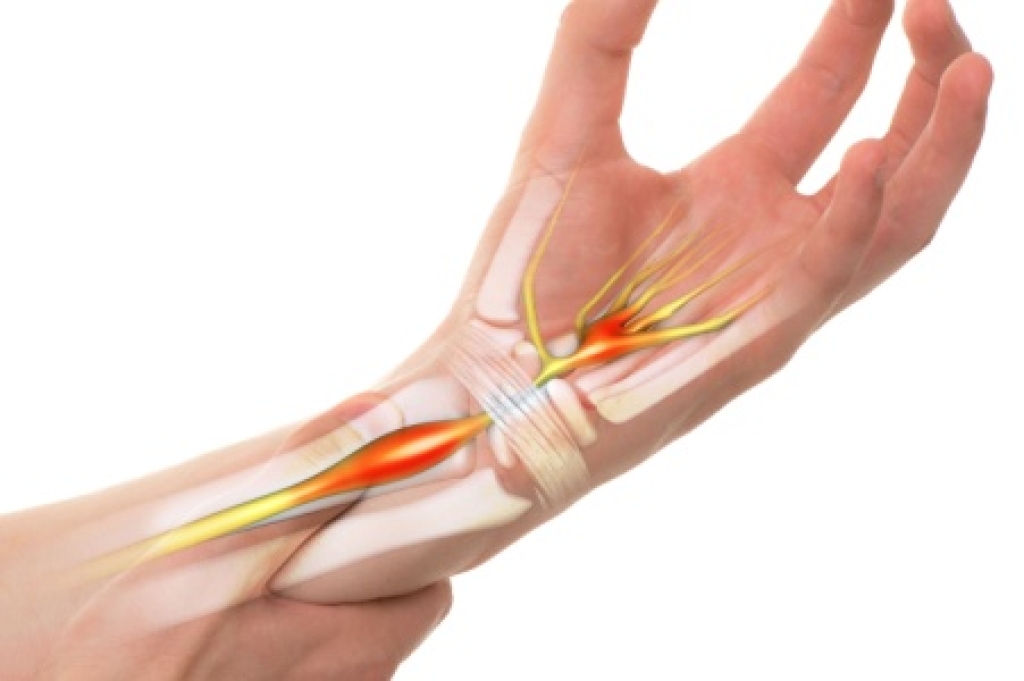
Carpal tunnel syndrome develops when the median nerve becomes compressed inside the carpal tunnel, a narrow passageway in the wrist. This nerve provides feeling to the thumb, index finger, and part of the ring finger. Common symptoms include numbness, tingling, or weakness in the hand. Discomfort may travel into the forearm and becomes more noticeable at night.

Several factors can increase the risk of developing carpal tunnel syndrome. Repetitive hand use, prolonged wrist bending, and forceful gripping may place pressure on the median nerve. Diabetes, thyroid problems, and inflammatory arthritis can also increase risk. Pregnancy may contribute to temporary symptoms because fluid retention can increase pressure around the wrist. Previous wrist injuries may change the available space within the carpal tunnel. Often, symptoms develop from several contributing factors rather than one specific cause.

Preventing carpal tunnel symptoms starts with reducing strain on the hands and wrists. Keep your wrists in a neutral position while typing or using tools. Take movement breaks and avoid gripping objects more tightly than necessary. A workstation can also reduce stress during daily activities. If symptoms appear, a chiropractor can evaluate posture, movement patterns, and related musculoskeletal concerns. Chiropractic care may include gentle hands-on techniques, mobility exercises, and ergonomic recommendations to support overall wrist function.

Persistent numbness, weakness, or nighttime discomfort should receive professional attention. A chiropractor can evaluate your symptoms and help identify factors contributing to irritation around the wrist. Early care can help reduce disruption to work, hobbies, and everyday activities. If you have symptoms of carpal tunnel syndrome, it is suggested that you consult a chiropractor for an accurate diagnosis and appropriate treatment. A professional evaluation can help you understand your symptoms and develop a practical plan for improved wrist comfort and function.

Carpal Tunnel Syndrome

Carpal tunnel syndrome, or CTS, is a condition caused by compression of the median nerve, which runs through the carpal tunnel in the wrist. This tunnel is a narrow passageway surrounded by bones and ligaments, and when it becomes compressed or inflamed, it can put pressure on the nerve. Symptoms of CTS include tingling, numbness, weakness, and pain in the hand and fingers, often making simple tasks difficult and uncomfortable.

Chiropractic care offers a non-invasive approach to managing CTS by addressing alignment and reducing nerve pressure. Chiropractors start by evaluating the wrist, elbow, and even the cervical spine or neck, as misalignments in these areas can contribute to nerve compression in the wrist. Through gentle adjustments, chiropractors can improve the alignment of the wrist and spine, helping to reduce the pressure on the median nerve.

In addition to adjustments, chiropractors may use soft tissue therapy, such as stretching and myofascial release, to reduce inflammation surrounding the wrist and enhance mobility.

Why Consider Chiropractic for CTS?

Chiropractic care can provide lasting relief by targeting the root causes of CTS, reducing pain, and promoting long-term hand and wrist health.

Can Chiropractic Care Address Repetitive Strain as a Cause of CTS?

Chiropractic care can help manage repetitive strain by improving joint alignment and recommending ergonomic adjustments.

If you have any questions, please feel free to contact our office located in Bridgewater, NJ .

 

Read more about Carpal Tunnel Syndrome

Understanding Bulging and Herniated Discs

Discs sit between the bones of the spine and help absorb pressure from everyday movement. A bulging disc occurs when disc tissue extends beyond its usual boundary around a wider area. A herniated disc involves a more focused area of disc material extending beyond its normal space. Despite the familiar phrase slipped disc, discs do not actually slip out of place. Bulging and herniated discs can also appear on imaging in people who have no back pain. For this reason, an imaging result alone does not always explain a patient’s symptoms.

A herniated disc in the lower back can irritate a nearby nerve and cause sciatica. Sciatica can cause pain that travels from the lower back into the buttock and leg. Numbness, tingling, or weakness can also develop when a nerve is affected. Several factors are linked with a greater risk of lumbar disc herniation. These include family history, demanding work, and smoking. Research also links excess body weight with increased risk. Many patients improve without surgery, and research shows that herniated disc material can shrink naturally. The size or appearance of a disc problem does not always match the amount of pain a patient experiences.

A chiropractor can evaluate spinal movement, nerve-related symptoms, and activities that affect a patient’s pain. Chiropractic care can focus on improving movement and helping patients regain confidence in using their backs. Treatment can also address joint stiffness and movement patterns that place added stress on painful areas. A chiropractor can create a gradual plan based on the patient’s symptoms, function, and examination findings. This approach can support comfortable movement while avoiding unnecessary fear about imaging results. If you have symptoms of a bulging or herniated disc, it is suggested that you schedule an appointment with a chiropractor for a diagnosis and appropriate treatment.

Bulging and herniated discs are common spinal conditions that can lead to persistent pain, discomfort, and limited mobility. A disc bulge occurs when the outer layer of the spinal disc begins to protrude, while a herniated disc involves a rupture that allows the inner gel-like core to seep out. Both conditions often compress nearby nerves, resulting in pain, tingling, numbness, and muscle weakness that can affect the back, legs, and even arms.
From a chiropractic perspective, addressing disc bulges and herniations focuses on reducing pressure on the spinal nerves and restoring proper spinal alignment. Chiropractors employ gentle, targeted adjustments designed to alleviate nerve compression and improve spinal mechanics. By correcting misalignments, chiropractic care can help reduce inflammation, enhance blood flow, and promote natural healing processes. This holistic approach aims to relieve pain without invasive procedures or medication.
For many patients, complementary therapies like spinal decompression, therapeutic exercises, and lifestyle guidance support long-term relief and function. Chiropractic care offers a non-surgical, drug-free path to managing disc issues, focusing on enhancing overall spinal health and reducing the likelihood of recurring symptoms. Each treatment plan is tailored to the patient’s specific needs and goals, ensuring an effective, individualized approach.
1.     Is chiropractic treatment safe for herniated discs?
Generally, chiropractic care is safe for herniated discs when performed by a licensed professional who assesses the condition carefully. Mild adjustments or specific techniques are often used to avoid further injury.
2.     How long does it take to see improvement?
Improvement times vary, but many patients notice reduced pain and better mobility within a few weeks of consistent chiropractic care, depending on the disc’s severity and other factors.
If you have any questions please feel free to contact our office located in Bridgewater, NJ . 
 

Read more about Bulging and Herniated Discs